
Why Does Garlic Upset My Stomach?
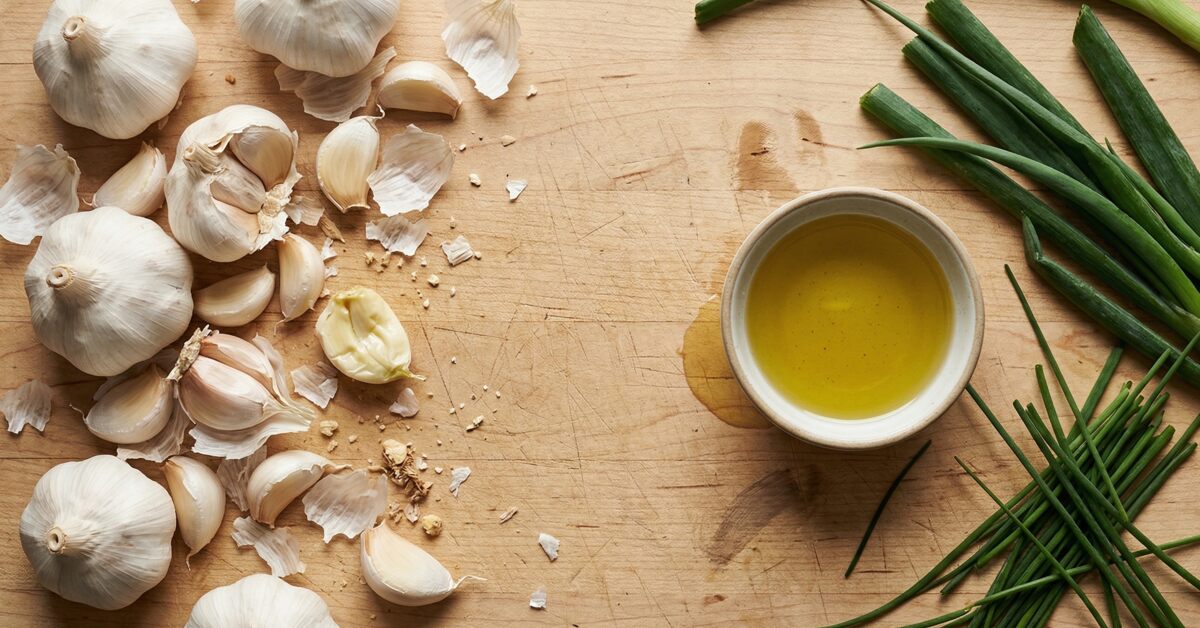
Yes, garlic can upset your stomach. Garlic bulb is high in fructans, a type of FODMAP that can contribute to gas, bloating, and cramping in some people with IBS or FODMAP sensitivities. Fructans pass into the large intestine without being fully absorbed, where gut bacteria ferment them and produce gas. Properly prepared garlic-infused oil is different: fructans are water-soluble, not fat-soluble, so the oil can carry garlic flavor without the fructans found in the bulb.
Garlic is hard to avoid because it rarely stays in one obvious place. It is in pasta sauce, taco seasoning, broth, salad dressing, restaurant marinades, and plenty of foods that do not taste especially garlicky. When your stomach feels off after a meal, it can take a while to notice the pattern.
The useful part is that you do not need to guess forever or give up every food that normally starts with garlic. Understanding fructans, portions, and the difference between garlic bulb and garlic-infused oil gives you more practical options.
If sauces are one of the places where garlic keeps catching you, Sensitive Sriracha is made without garlic bulb or onion and is Monash University Certified Low FODMAP.
Why garlic can upset your stomach
Garlic and onion are high in fructans, one subgroup of fermentable carbohydrates called FODMAPs. According to Monash University, some people with IBS or FODMAP sensitivities react poorly to these fructans.
FODMAP stands for fermentable oligosaccharides, disaccharides, monosaccharides, and polyols. The name is longer than the explanation. These carbohydrates may not be fully absorbed in the small intestine. They continue into the large intestine, where bacteria ferment them. For some people with IBS or FODMAP sensitivities, this can contribute to bloating, gas, cramping, or diarrhea.
Garlic is not a problem for everyone, and fructans are not the only possible explanation for discomfort after a garlicky meal. The National Institute of Diabetes and Digestive and Kidney Diseases notes that different dietary changes help different people with IBS. Personal tolerance matters.
Why garlic can make you gassy
Gas is a normal result of bacterial fermentation. If more unabsorbed fructans reach the large intestine, there is more material available for bacteria to ferment. For someone who responds poorly to fructans, the result may be noticeable bloating, pressure, or extra gas.
Garlic is not the only possible contributor in a meal. Onion, wheat-based bread or pasta, certain sweeteners, and some legumes can add other FODMAPs at the same time. A rich restaurant meal may contain several of them. That is one reason the reaction can feel inconsistent even when garlic appears in both meals.
Garlic can also cause digestive side effects outside a clear IBS pattern. The National Center for Complementary and Integrative Health lists abdominal pain, flatulence, and nausea among the possible side effects of garlic taken by mouth. Garlic supplements are more concentrated than the amounts normally used to season food and deserve separate caution, especially if you take medicines that affect bleeding.
Why the same amount does not always feel the same
FODMAP tolerance is personal and portion dependent. Someone may tolerate a trace amount in one meal but feel uncomfortable after a larger serving. The rest of the plate matters too. A small amount of garlic may land differently when the meal also contains onion, a large wheat portion, or another food that person does not tolerate well.
Preparation changes flavor and concentration, but it does not give you a dependable way to judge FODMAP content by taste. Garlic powder and garlic salt still contain garlic. Powders are concentrated and can be easy to overlook in spice blends, chips, sauces, and packaged meals.
If you are trying to identify a pattern, write down the full meal, the approximate amount, and when symptoms appeared. Avoid using one uncomfortable meal as a diagnosis. A doctor or registered dietitian can help you decide whether a structured low FODMAP trial and reintroduction process makes sense for you.
Garlic intolerance is not the same as a garlic allergy
A food intolerance usually affects the digestive system. A food allergy involves the immune system and can affect the skin, breathing, circulation, and digestion. Cleveland Clinic describes garlic allergy as uncommon, but it is still possible.
Hives, itching, swelling of the mouth or throat, difficulty breathing, dizziness, or fainting need urgent medical attention. Call 911 for signs of a severe allergic reaction. Do not test a suspected allergy by deliberately eating garlic at home. A healthcare provider can evaluate the reaction safely.
Digestive symptoms can occur with either an allergy or an intolerance, so timing alone is not enough to tell them apart. If your symptoms are severe, persistent, changing, or hard to connect to one food, talk with a healthcare professional.
Does cooking garlic make it low FODMAP?
Do not count on roasting, sauteing, or simmering garlic to make the bulb low FODMAP. Monash University says there is not enough research to recommend cooking as a reliable way to lower the FODMAP content of a meal.
Cooking liquid matters. Fructans dissolve in water, so garlic cooked in soup, stock, or sauce can release fructans into the liquid. Removing the visible pieces afterward does not remove what has already moved into the dish.
Oil works differently. Fructans are water soluble, not fat soluble. Whole garlic pieces can flavor oil without the fructans transferring in the same way, as long as every piece of garlic is removed. A commercially prepared garlic-infused oil is the simplest option.
How to keep garlic flavor on a low FODMAP diet
If sauces are where garlic keeps catching you, our guide to low FODMAP sauces covers the condiment aisle in more detail.
How to check sauces, stocks, and seasoning blends
Start with the ingredient list. Look for garlic, garlic powder, dried garlic, garlic salt, onion, onion powder, dried onion, and onion salt. Vegetable powders, stocks, marinades, seasoning blends, and sauce bases also deserve a closer look because they may contain garlic or onion.
A label cannot tell you the exact FODMAP content of the finished serving. If you need more certainty, look for a recognized low FODMAP certification and follow the serving size on the package. Monash-certified products are laboratory tested against the program's FODMAP criteria at the stated serving.
Hot sauce is a common sticking point because many sriracha-style sauces use garlic bulb. Our guides to whether sriracha is low FODMAP and finding hot sauce without garlic bulb or onion explain what to compare.
Where Sensitive Sriracha fits
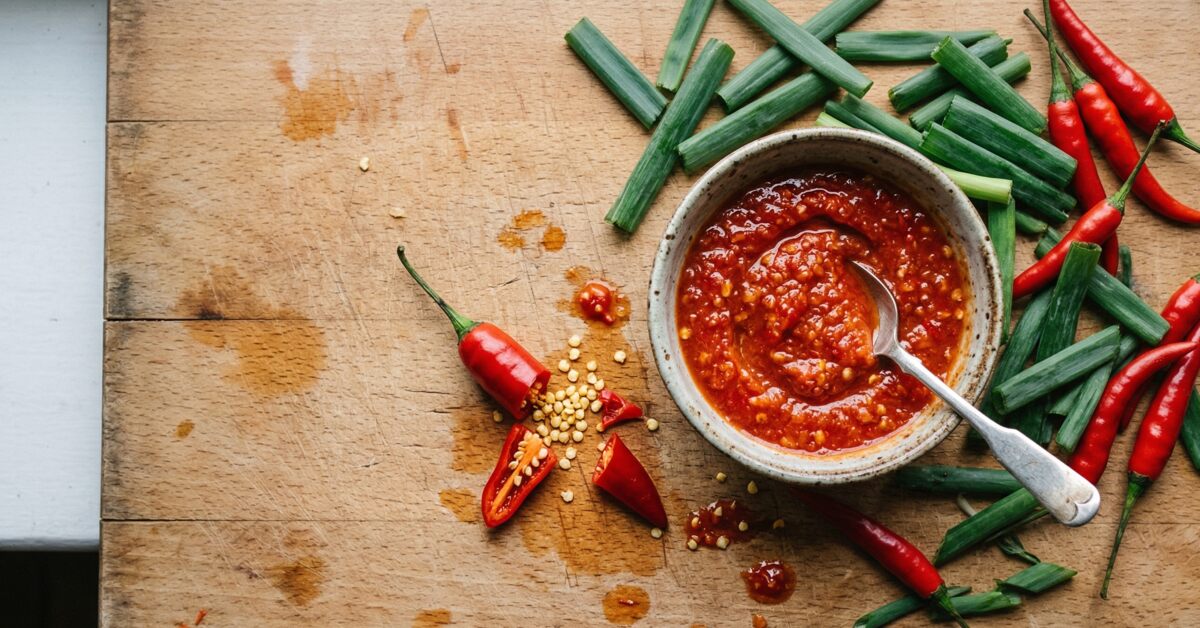
Viva La Gut Sensitive Sriracha is made without garlic bulb or onion and is Monash University Certified Low FODMAP. Red jalapenos bring bright pepper flavor, while guajillo chiles add a deeper, rounder chile character. It is an easy way to bring tang and savory depth back to eggs, tacos, noodles, rice bowls, and dressings.
The certification is the important part for low FODMAP shoppers. It means the product was tested against Monash University's criteria at the serving shown on the package. It does not promise how any individual person will feel after eating it.
Put flavor back on the table
Sensitive Sriracha is made without garlic bulb or onion and is Monash University Certified Low FODMAP. Keep it close for eggs, tacos, dumplings, noodles, and anything else that needs a tangy finish.
Shop Sensitive SrirachaFrequently asked questions
Why does garlic upset my stomach?
Garlic bulb is high in fructans, a type of FODMAP. Some people with IBS or FODMAP sensitivities do not absorb fructans well. Gut bacteria then ferment them, which can contribute to gas, bloating, cramping, or changes in bowel habits. Garlic can also cause abdominal pain, flatulence, or nausea outside a clear IBS pattern.
Why does garlic make me gassy?
Fructans that reach the large intestine are fermented by gut bacteria, and that process produces gas. The amount of garlic, other foods in the meal, and your individual sensitivity can all affect how noticeable it feels.
Does cooking garlic make it low FODMAP?
Cooking is not a reliable way to make garlic bulb low FODMAP. Fructans can move into water-based soups and sauces, so removing the garlic pieces afterward does not remove the fructans already released into the liquid.
Is garlic-infused oil low FODMAP?
Properly prepared garlic-infused oil can be low FODMAP because fructans dissolve in water rather than fat. The garlic pieces must be removed. Commercially prepared infused oil is the simplest option, and certified products provide added testing assurance.
Does garlic powder contain FODMAPs?
Yes. Garlic powder is still made from garlic bulb and contains fructans. Because it is concentrated and easy to add to seasoning blends, sauces, and packaged foods, it can be less obvious than chopped garlic.
Can I eat garlic if I have IBS?
Tolerance varies. During a structured low FODMAP elimination phase, garlic bulb is usually restricted and then tested during reintroduction. A registered dietitian can help you test your tolerance without keeping your diet more limited than it needs to be.
How is garlic intolerance different from a garlic allergy?
An intolerance usually causes digestive symptoms and does not involve the immune system. An allergy can cause hives, swelling, breathing problems, dizziness, or anaphylaxis. Call 911 for signs of a severe allergic reaction and do not test a suspected allergy at home.
Sources and further reading
Viva La Gut makes Monash University Certified Low FODMAP hot sauce for people who miss flavor. Sensitive Sriracha is made without garlic bulb or onion, with red jalapenos and guajillo chiles for a tangy, savory finish. Here's to bold flavor without compromise.


Comments